Comprehensive Healthcare to Anyone in the Community in Need

Outpatient Substance Use Services
Respectful Support. Real Help. No Judgment.
Duval Family Health Center provides outpatient substance use services for adults seeking support, stability, or change. Care is practical, confidential, and built around your goals — not pressure or labels.
As part of Sulzbacher, we are committed to care that is open and accessible.
No insurance? Can’t afford to pay? We will still see you and help you.
OSUS Services Offered
- Peer support (one‑on‑one)
- Case management (one‑on‑one)
- MAT (Medication-Assisted Treatment)
- Housing navigation & shelter coordination
- Transportation assistance
- Support with IDs, benefits, and documentation
- SNAP (food stamps) application support
- Peer support groups three days a week
What is OSUS
The Outpatient Substance Use Services (OSUS) program provides accessible, trauma‑informed support for adults seeking recovery. Our mission is to meet each person where they are, offering compassionate care, practical assistance, and the tools needed for long‑term stability. OSUS focuses on progress, healing, and empowerment.

Who We Serve
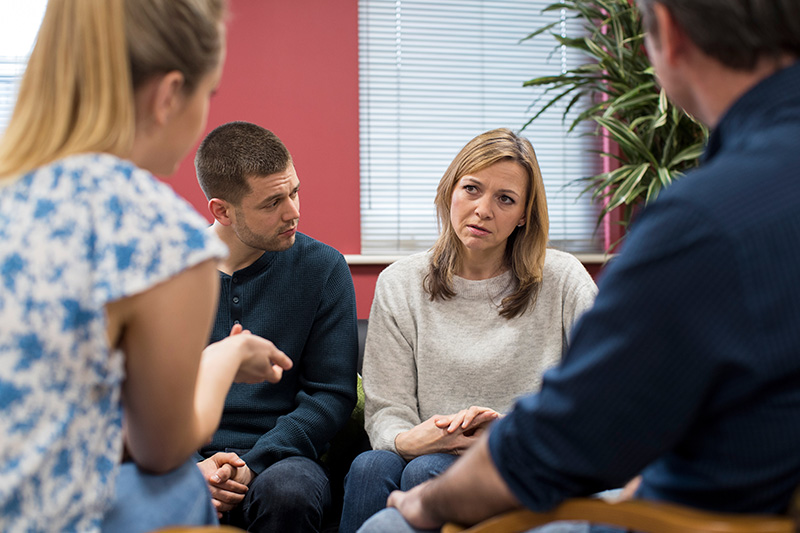
- Substance use involving opioids, alcohol, or stimulants
- Housing instability or homelessness
- Co-occurring mental health symptoms
- Legal or court barriers
- Limited access to healthcare or basic needs
- A desire to build stability and recover
Core Services We Provide
- Case Management (one-on-one)
- Peer Support (one-on-one)
- Peer Support Groups (three days a week)
- MAT (Suboxone)
- Housing navigation
- Transportation assistance
- IDs, benefits, and documentation support
- SNAP application assistance
Our Approach
OSUS uses a trauma-informed, person-centered, harm reduction approach. We focus on building trust, supporting both immediate and long-term goals, creating stability, addressing the whole person, and empowering clients.
Why OSUS Works
OSUS provides safety, structure, connection, and consistent encouragement. Clients succeed because they are supported, understood, and never expected to walk the journey alone.
Our Team
-
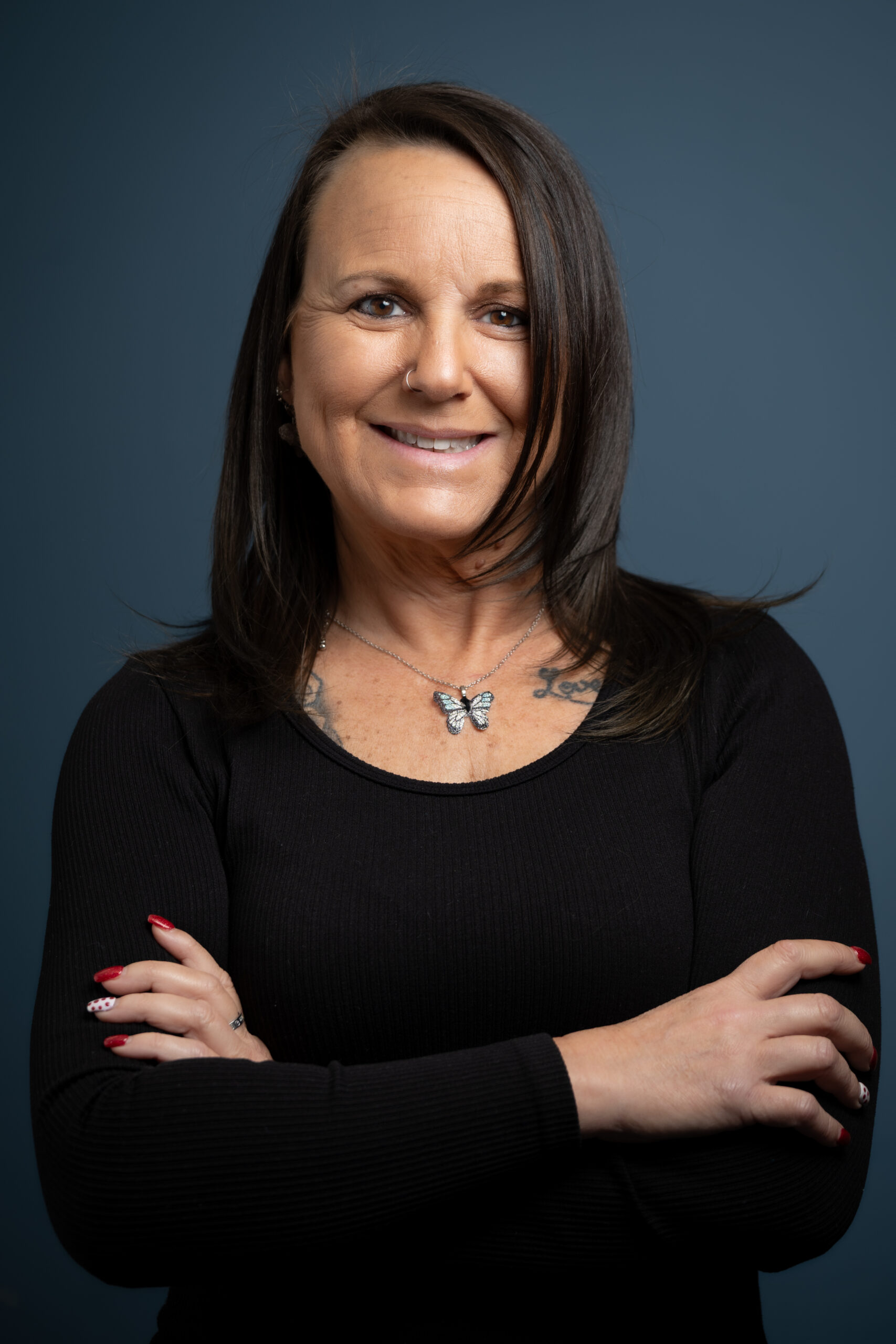
Jodi Webb
Lead Case Manager
OSUS Stories

Michael's Story
Michael is a 61-year-old male who entered the outpatient program overwhelmed by decades of opioid and alcohol use, multiple overdoses, chronic medical struggles, and significant legal barriers. Despite a deep mistrust of the government and the healthcare system, he arrived determined to try again. With consistent MAT support, patient-centered case management, and weekly engagement, Michael gradually stabilized both medically and emotionally.
Over time, he strengthened emotional regulation, maintained appointments, and successfully completed all court requirements. Although he initially resisted government-related systems, he eventually worked with staff to obtain food stamps and a phone—important tools that helped support daily stability. Today, Michael is over one year sober, living independently, and using the skills he gained to stay grounded and connected to recovery.
“I didn’t think I’d ever feel this stable. But I did — one day at a time.”
Short Summary: Michael overcame decades of substance use, medical complications, and legal barriers to achieve long-term sobriety and independent living.

Sarah's Story
Sarah is a 50-year-old female who entered treatment following years of homelessness, trauma, and repeated relapse. With Suboxone stabilization and safe shelter placement, she began rebuilding structure in her life. In her new living environment, Sarah’s strengths quickly became visible. She took responsibility for managing the property—ensuring cleanliness, showing available rooms to new tenants, and assisting with essential needs around the home.
Her consistency and reliability helped rebuild her confidence. Sarah was also connected to SSDI assistance, increasing long-term financial stability. Now over one year sober, she maintains her own housing, manages her finances independently, and continues to grow in confidence as she rebuilds her life.
“Step by step, I rebuilt my life — and I’m proud of where I am.”
Short Summary: Sarah transitioned from homelessness and repeated relapse to stability, responsibility, and independent living through consistent engagement and support.

David's Story
David is a 48-year-old male who entered the outpatient program already sober but deeply concerned about his risk of relapsing due to impending homelessness. He expressed that living on the streets would jeopardize the stability he had worked so hard to build. His willingness to ask for help early, communicate openly, and participate actively in services demonstrated strong insight and determination.
Because he reached out before reaching crisis, the team was able to secure safe shelter placement and connect him with psychiatric care. With temporary housing support at the men’s shelter and ongoing case management, David maintained sobriety and continued working part-time. Over time, he transitioned into his own apartment, regained independence, and strengthened his confidence in maintaining long-term stability.
“Once I had a safe place to breathe, everything else fell into place.”
Short Summary: David preserved his sobriety by securing safe housing and support, which allowed him to regain long-term stability and independence.

Jonathan's Story
Jonathan is a 50-year-old male who entered OSUS after more than five years of homelessness, daily fentanyl use, and chronic medical issues. His life had been shaped by instability and survival. With consistent MAT support, shelter placement, and intensive case management, he gradually built stability, regained structure, and took steps to rebuild his health.
For the first time in years, he reconnected with his son—an important turning point in his recovery. He also obtained food stamps, a phone, and SSDI assistance, helping support long-term independence. Now over one year sober, Jonathan maintains his healthcare, lives independently, and continues strengthening his relationship with his son as a key part of his healing.
“I finally feel like I’m living again, not just surviving.”
Short Summary: Jonathan moved from long-term homelessness and fentanyl use to safe housing, sobriety, and reconnection with family.

Sierra's Story
Sierra is a 40-year-old female who entered treatment while living in an abandoned building. After years of trauma, PTSD, and polysubstance use, she was connected with OSUS and placed at a women’s shelter where she could safely begin rebuilding her life. Sierra immersed herself fully in treatment, engaging in MAT, therapy, and peer support with determination and resilience.
Her creativity, openness, and dedication helped her achieve emotional stability and long-term sobriety. Approaching her one-year sobriety milestone, Sierra is now training to become a Certified Peer Specialist so she can help others who share similar experiences.
“I want to use what I’ve survived to help someone else find hope.”
Short Summary: Sierra found emotional stability, sobriety, and purpose — now training to become a Certified Peer Specialist.
Getting Started
Help is available. One conversation can make a difference.